

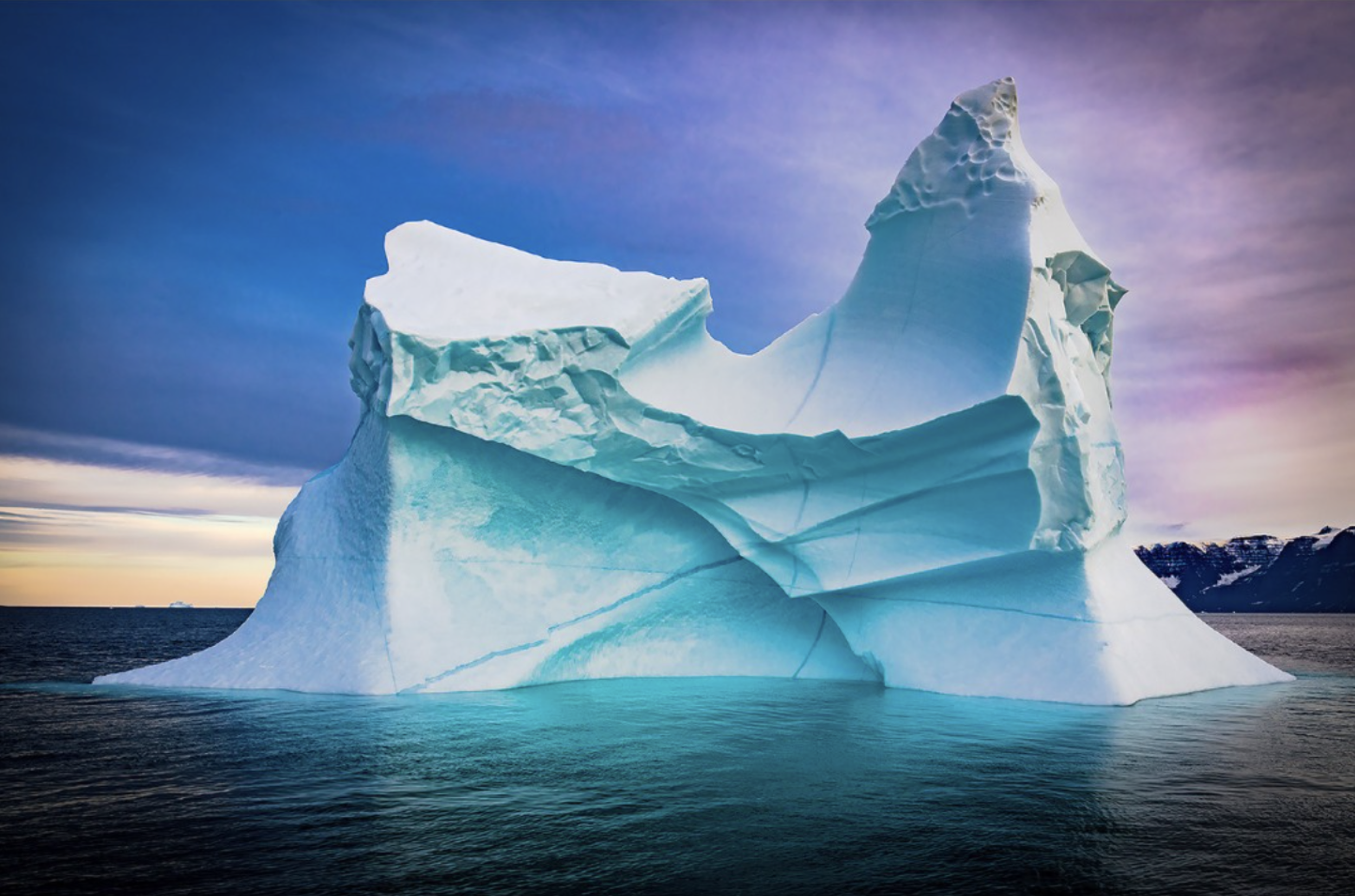
Nathanael Cox - Crown of Ice
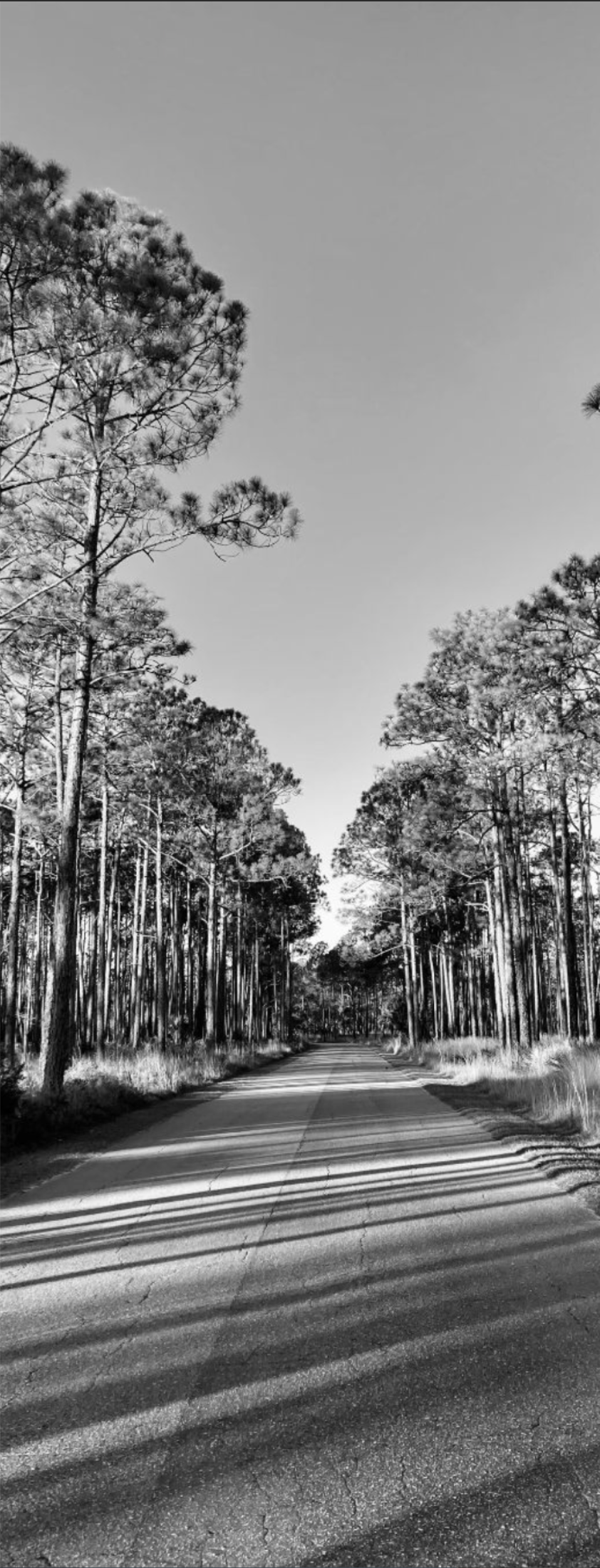
Simone Stark - Pine Lines
The Climate Canvas: How Creative Voices Reveal a Changing World
By Miami Art Week Staff
November 25, 2025
South Florida is a place where nature insists on being part of daily conversation. It is a topic of conversation daily, from the impossibly sunny days and gorgeous clear blue skies that bring smiles, to the hurricanes and cold fronts that can unnerve. And this year during Miami Art Week, climate is one of the most important topics on the docket.
Miami Art Week 2025 has rounded up a crew of experts to uncover the importance of the role that art and photography play raising awareness about the current state of the planet we all share. Climate is an incredibly complex topic, but Miami artists make it accessible and engaging. Through photo installations at exhibits like photoMIAMI and exciting panel discussions, visitors to Miami Art Week have multiple opportunities to see the beauty and opportunity to help the world around us and hear from thought leaders.
Two thought leaders joining this year’s festivities are Dr. Meenakshi Chabba, Ecosystem and Resilience Scientist at The Everglades Foundation, and Ron Magill, wildlife photographer and legendary Communications Director and Goodwill Ambassador of Zoo Miami.
Uncovering South Florida’s Everglades Reality
Dr. Meenakshi Chabba, has dedicated her career at the Everglades Foundation to tracking and understanding how decision-making focused on the Everglades and our communities affects ecological and economic outcomes across the ecosystem. Her research has driven critical climate change decisions in risk management, policy, and social equity. In an interview with Miami Art Week, she breaks down where things stand today for the city and raises awareness that Miami’s biggest environmental challenges didn’t start with rising seas. They started in the late 1800s when the Everglades began being drained to develop canals and levees. Since then, water pollution, hurricane damage, and other ailments have plagued the fragile ecosystem in the marshes. What many people don’t know is that what happens in this location impacts the entire state as the Everglades supplies drinking water to 9 million Floridians, including the residents of Miami-Dade County.
So when artists capture the Everglades, they’re not just making “nature art.” They’re showing us all where our water comes from, how the system works, and what’s at risk. Chabba’s team uses visuals including graphics, videos, and data storytelling, to help people grasp this. It’s effective because humans are visual creatures. “Clear and compelling visuals help people understand both the urgency and the promise of restoration,” she explains. “It helps them feel connected to this ecosystem that sustains us.”
Telling stories about climate realities are a necessity, and art helps make it more accessible. Dr. Chabba highlights the collaboration between The Everglades Foundation and photographer Mac Stone as a perfect example of a recent success in using art to provide tangible evidence of an opportunity to help. His Everglades images, including cypress trees glowing underwater and ghost orchids shot at night, help people understand the region not as a distant wilderness, but as a living system worth restoring. Artists are truly making a difference in telling the story of Florida’s most beautiful places.
Show people what’s happening, and they pay attention
Ron Magill, wildlife photographer and legendary voice of Zoo Miami, is a household name in South Florida. He has spent decades capturing the natural world to elicit a variety of emotions. And his advocacy has earned him five Emmy Awards for his work on nature-documentary programs and appearances on your favorite morning and variety shows. But his proudest moment? Raising awareness in his wife’s native Panama to the importance of the Harpy Eagle, eventually helping it become declared the national symbol of the country. Using his voice to make a difference drives Magill’s incredible work, day in and day out.
For example, he’s photographed glaciers for years, including Argentina’s once-stable Perito Moreno Glacier. For a long time, this glacier barely budged. Today, he says, it’s retreating feet per year, not inches. In our chat, Magill pointed out another fact: Glacier National Park in Montana, named for its glaciers, may have none left in about 30 years if current trends continue. That’s not opinion- it's an irrefutable fact.
And that’s where visuals matter. “I try to create images that stop people in their tracks,” Magill says. “If I could take everyone with me to see these places firsthand, they’d understand immediately. The next best thing is a photograph that tells the story.”
His work reinforces a simple but powerful truth: show people what’s happening, and they pay attention. Which is why his climate-focused art and advocacy isn’t an obscure niche, but rather it’s a creative and meaningful gift to the public. Here in Miami, art has that same potential: to spark interest, shift perception, and get people to care about issues they didn’t even know affected them.
South Florida is living the climate story in real time, but it is also leading the conversation with creativity, humor, clarity, and real scientific grounding. With experts like Dr. Chabba and Ron Magill offering the facts, Miami Art Week cements its place as not just a party, but also a place to learn.
Join Miami Art Week on Monday, December 1, 2025 from 6- 7:30pm at the Biltmore Hotel (1200 Anastasia Ave, Coral Gables) for “Witness: The Art of Conservation and Sustainability in a Changing Climate,” a dynamic panel moderated by NBC6 meteorologist and climate specialist Steve MacLaughlin.
To learn more and support conservation efforts in South Florida, explore the Ron Magill Conservation Endowment and the ongoing Everglades Restoration Initiatives keeping South Florida’s wildlife thriving.